
Replacing the USB port on my Calculator
Because why do they use USB micro anyway?
Why?
I use the TI-84 Calculator for my classes in university. These calculators have been around for a long time and since TI does not seem interested in updateding their hardware we are stuck (not so much) with USB micro. I had some leftover components on hand from previous projects and after a particularly painful experience losing my only USB micro cable the night before an exam I decided to just replace the thing.
Take out the battery and remove the screws
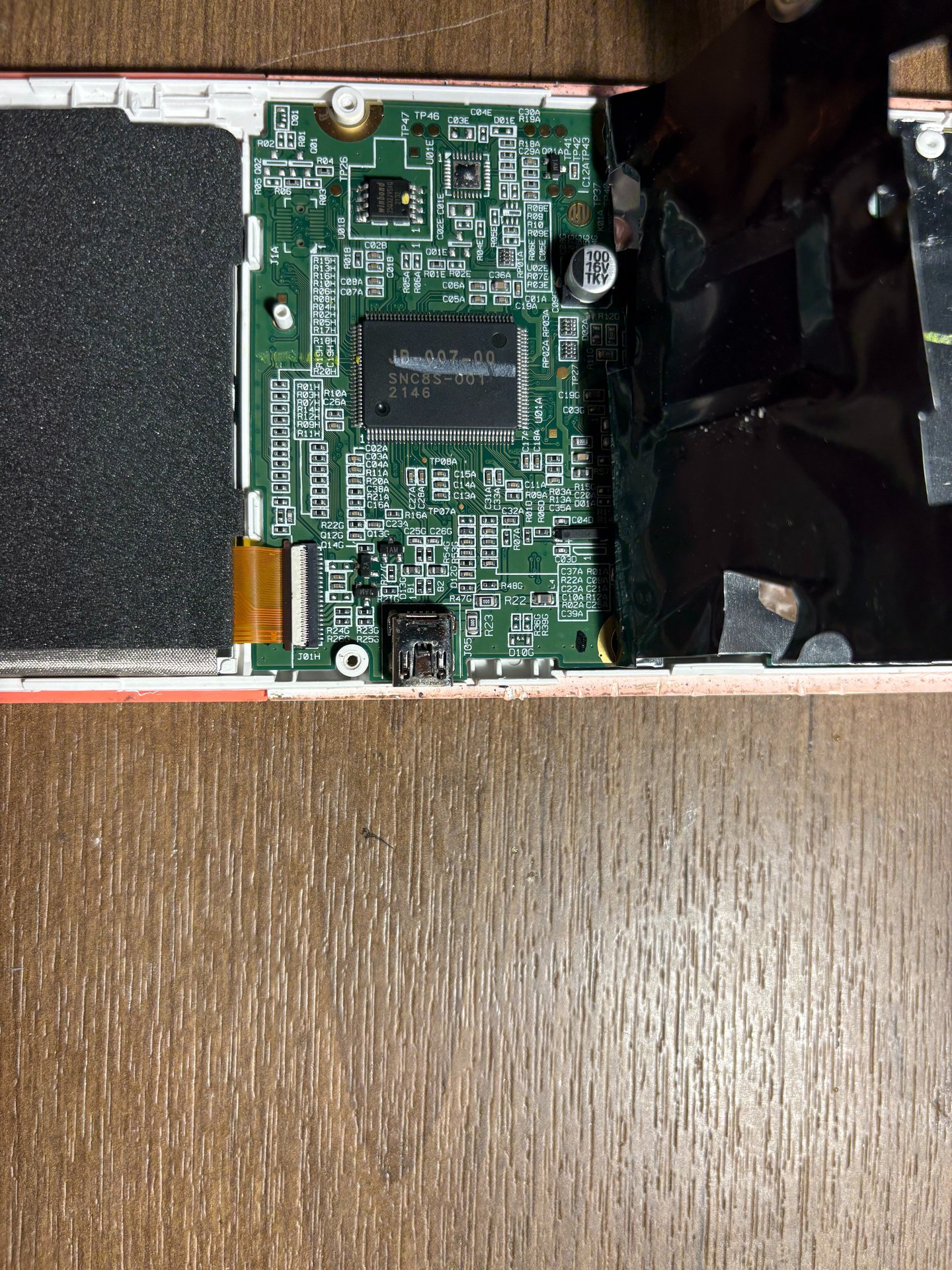
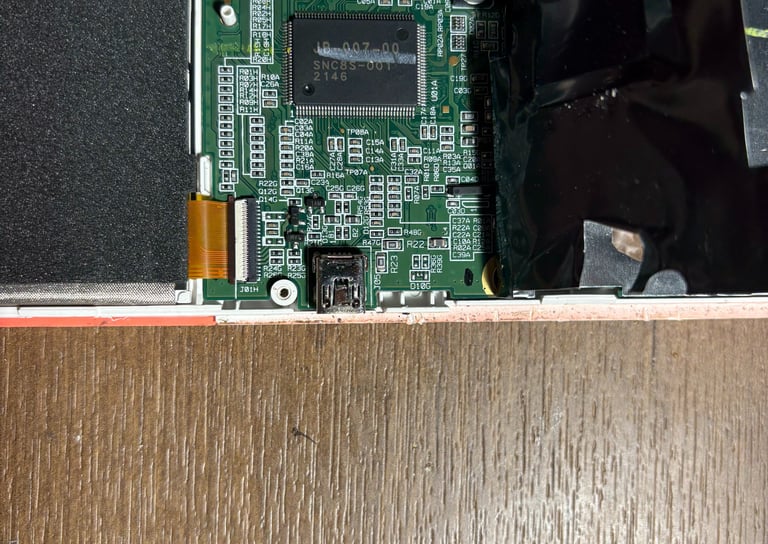
Step 2
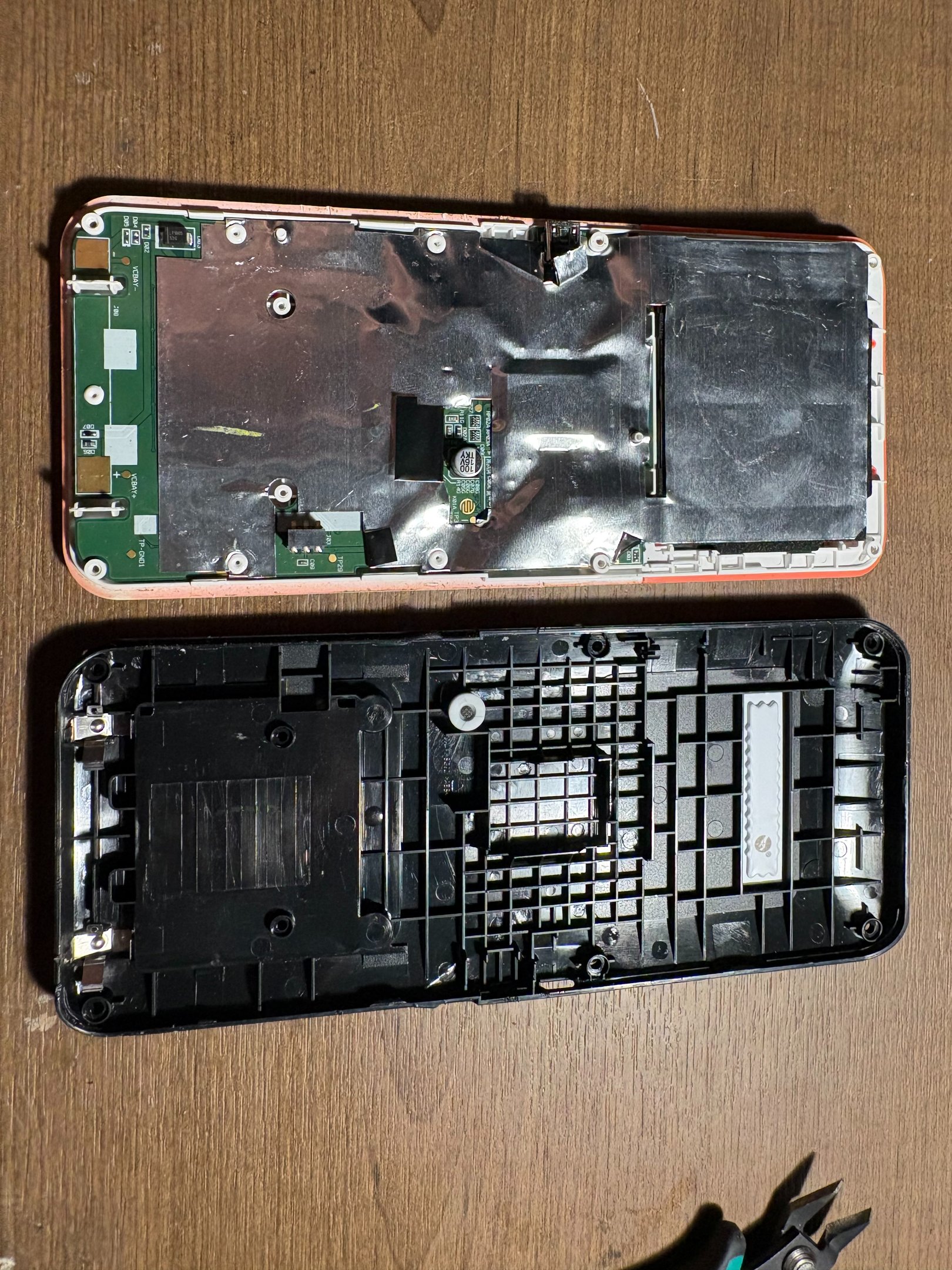
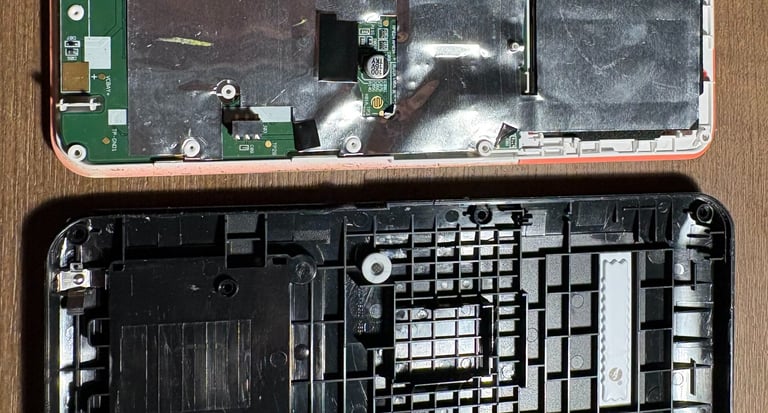
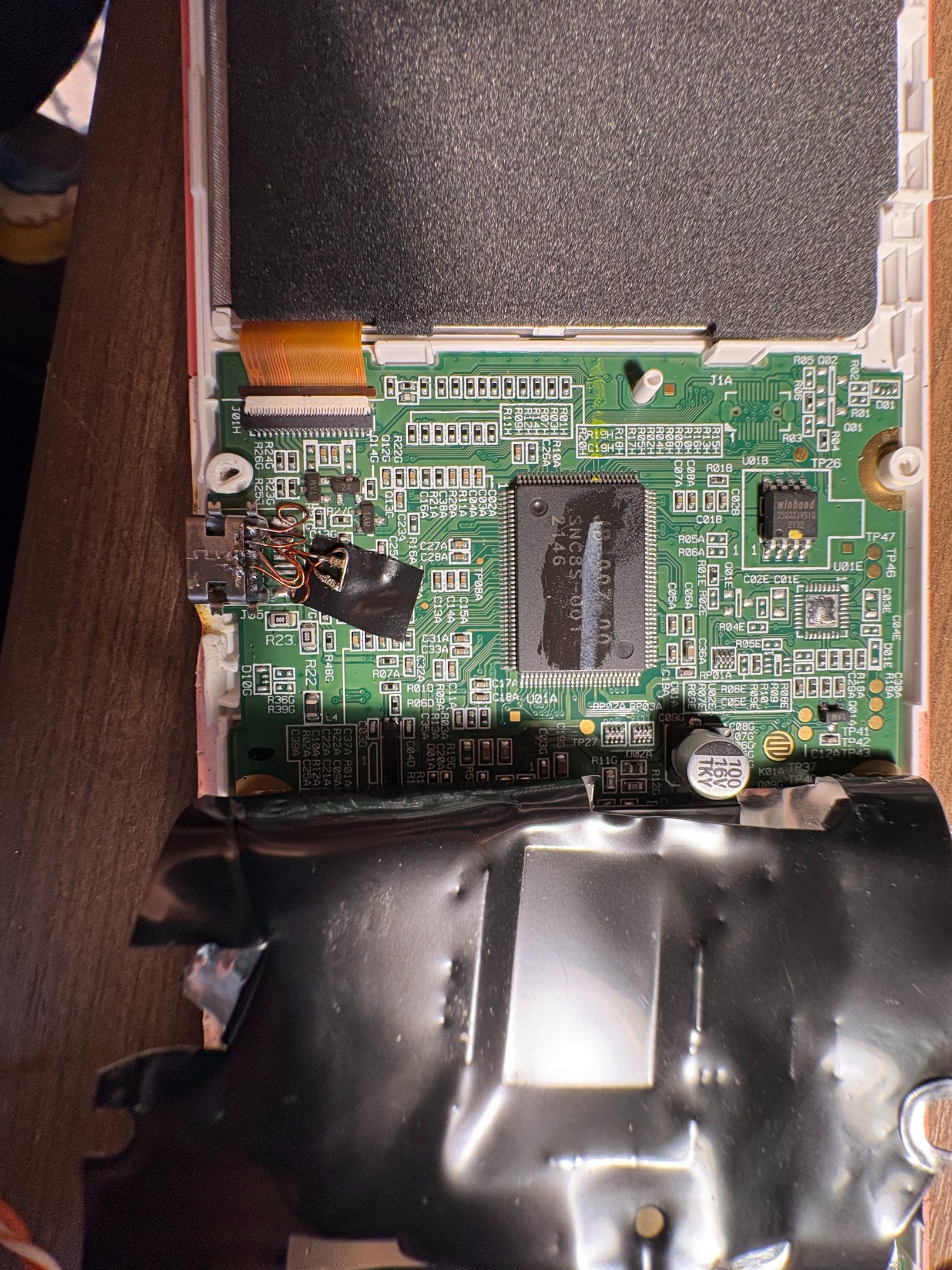
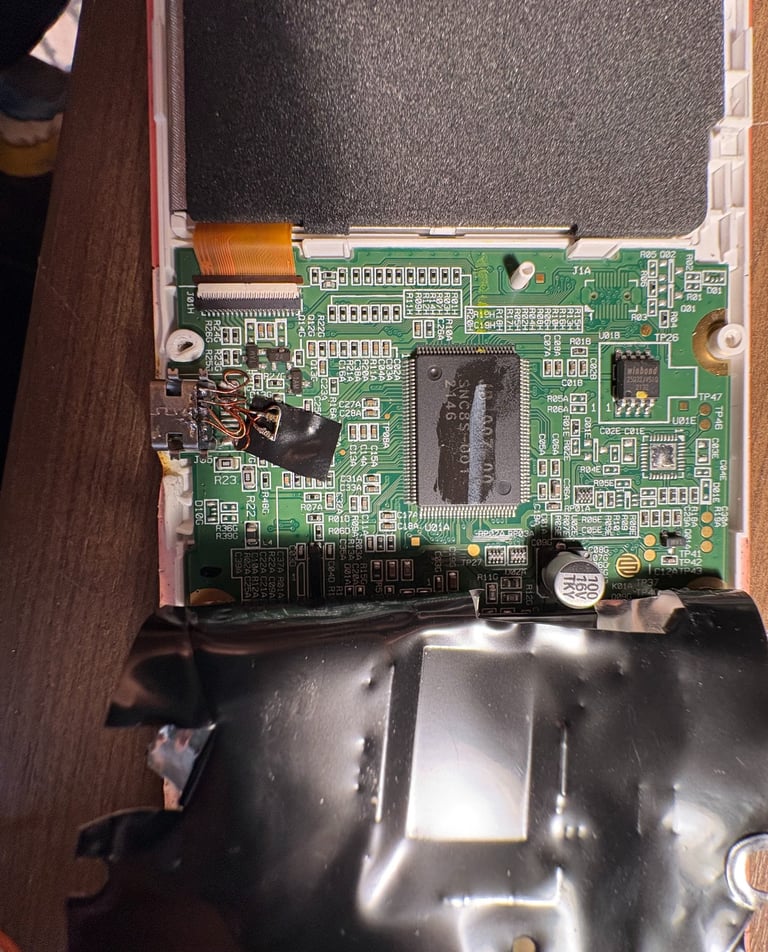
The entire circiut board and this thin metal shielding on the back of it. I was very impressed with the build quality of this device overall. The entire shield was held on by the by some screws on the bottom of the device so I was able to peel it back and locate the USB micro without fully removing it.
Step 1
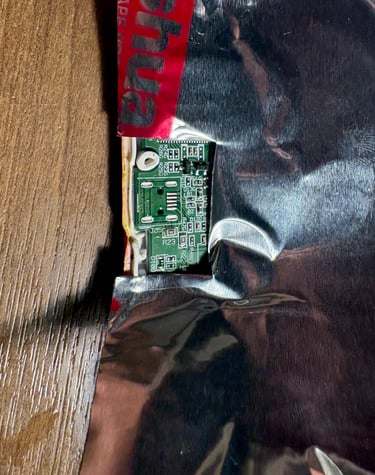
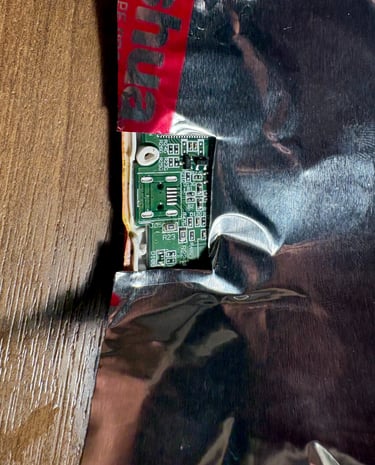
I used hot air to desolder the original USB device and to be safe I spend some time protecting the rest of the circuit board with aluminum foil tape. While I made sure to protect the PCB I should have removed the board before soldering as I slightly melted the plastic shell. Desoldering was easy, with some flux and time I had no issues removing the old USB.
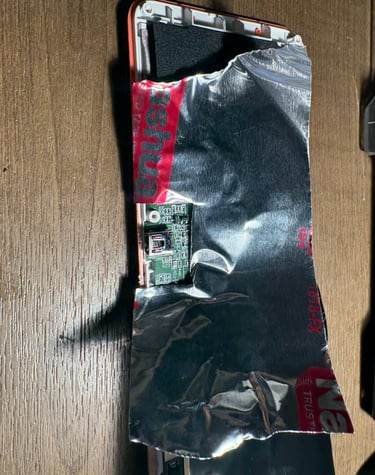
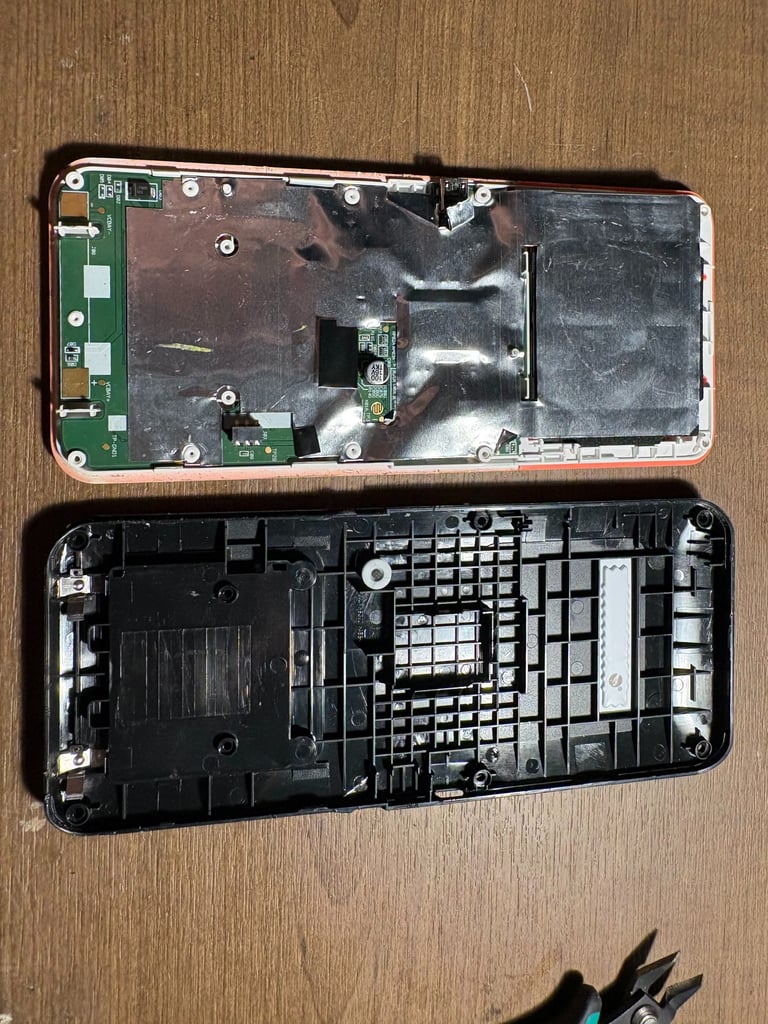
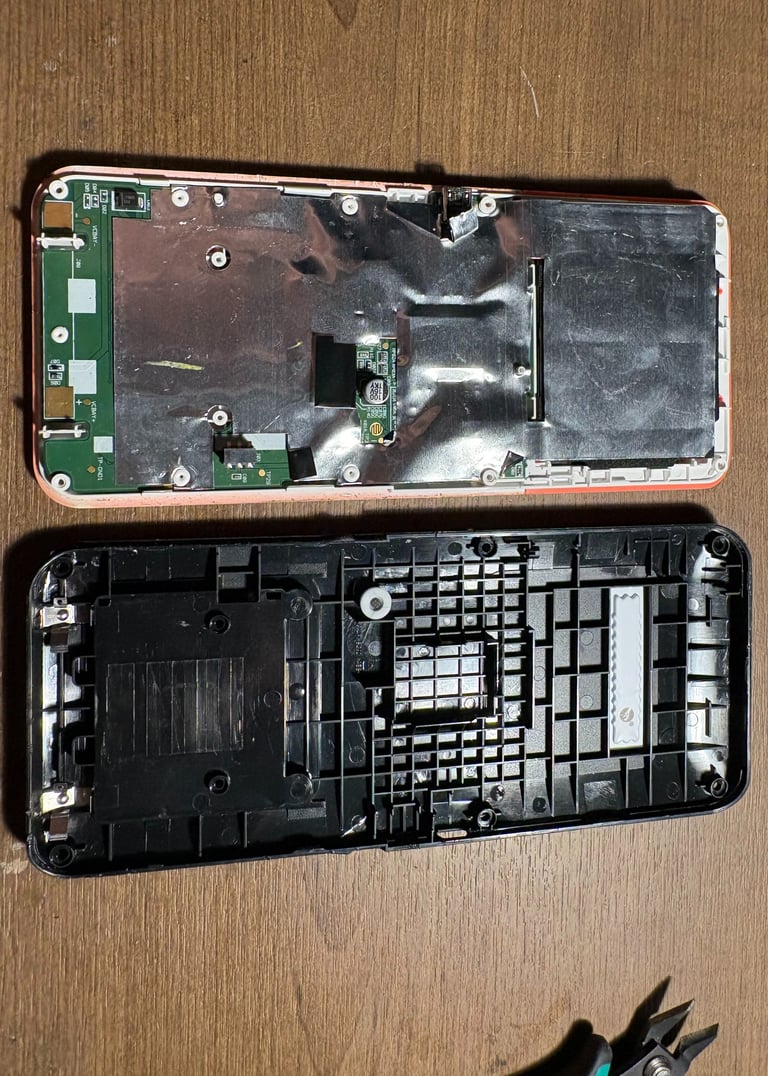
Peel back shielding and locate the USB
Step 3
Add foil to protect the sensitive hardware and desolder
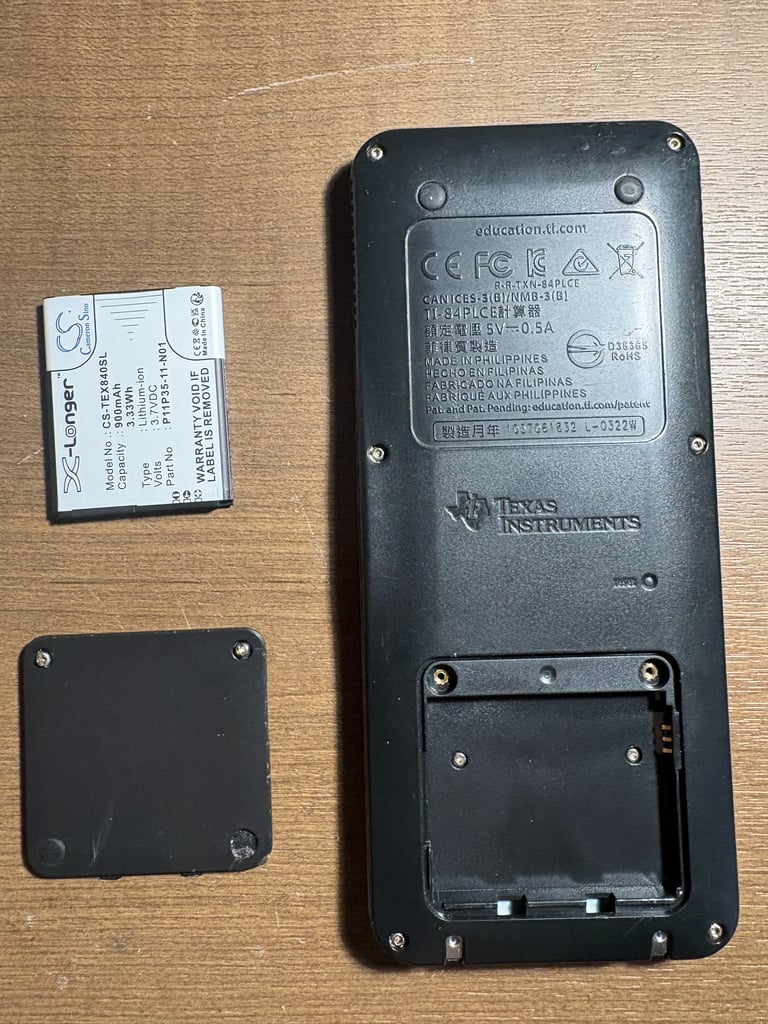
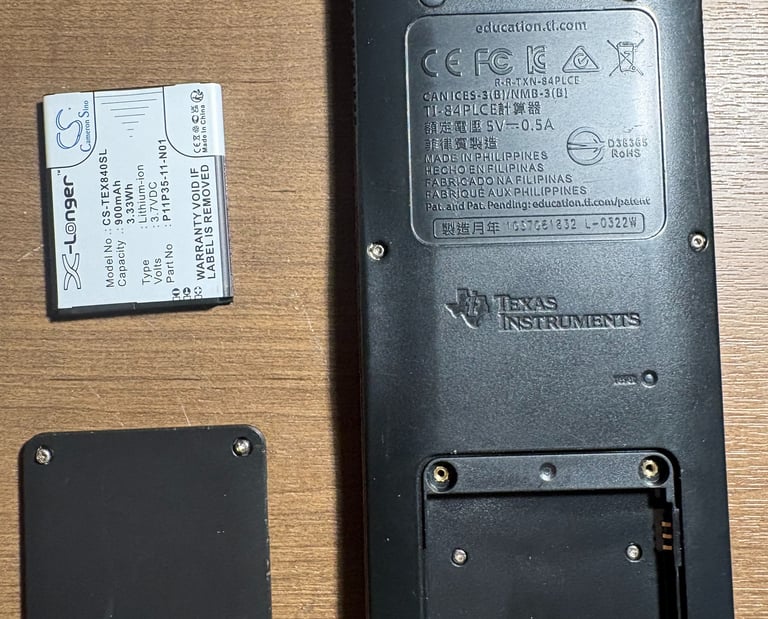
Luckily it is not hard to get into the calculator. After removing the battery (very important) and a few small Torx screws I was able to access the main circuit board.
Step 4
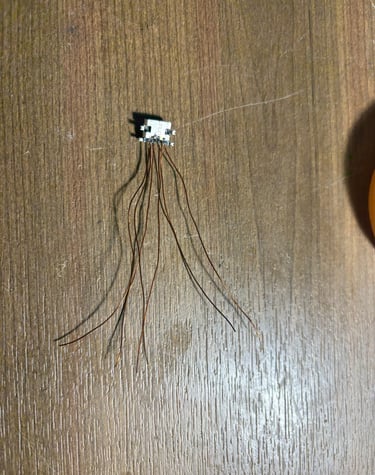
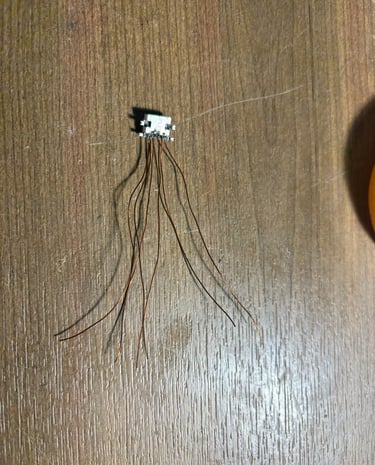
Preparing the new USB port and soldering it to the board
I had USB C ports on hand from my TMR Current Probe build, and 5.1K resistors from who knows when. The USB C standard requires a seperate 5.1K resistor for each bus line to ensure that the USB charger or power bank delivers the proper voltage to the device to be charged. I used thin 28awg magnet wire and lots and lots of time. It really was not as bad as I thought it would be.
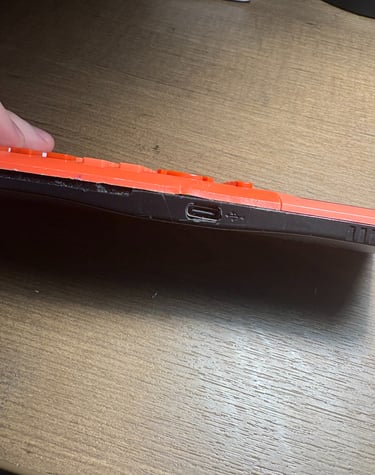
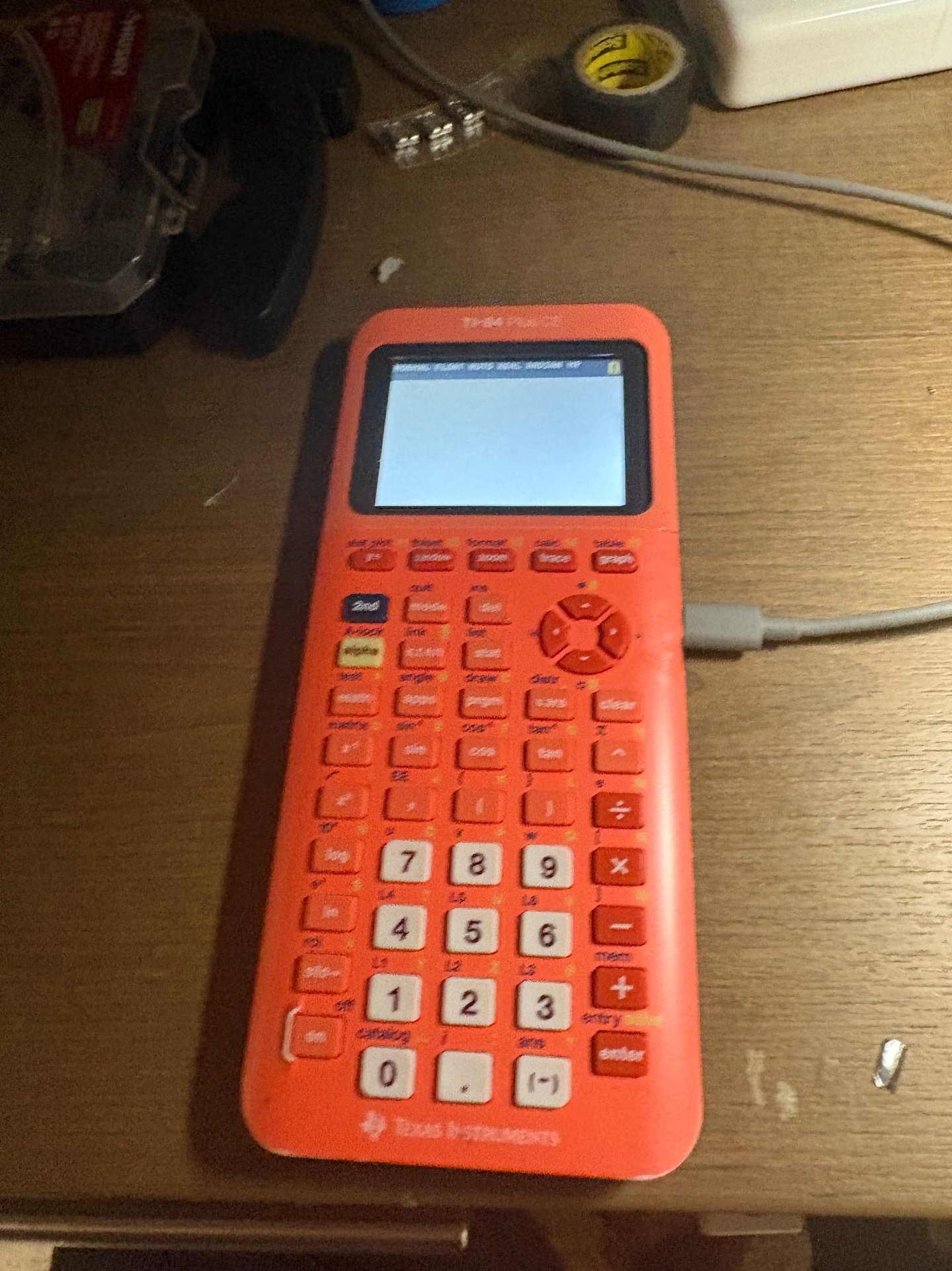
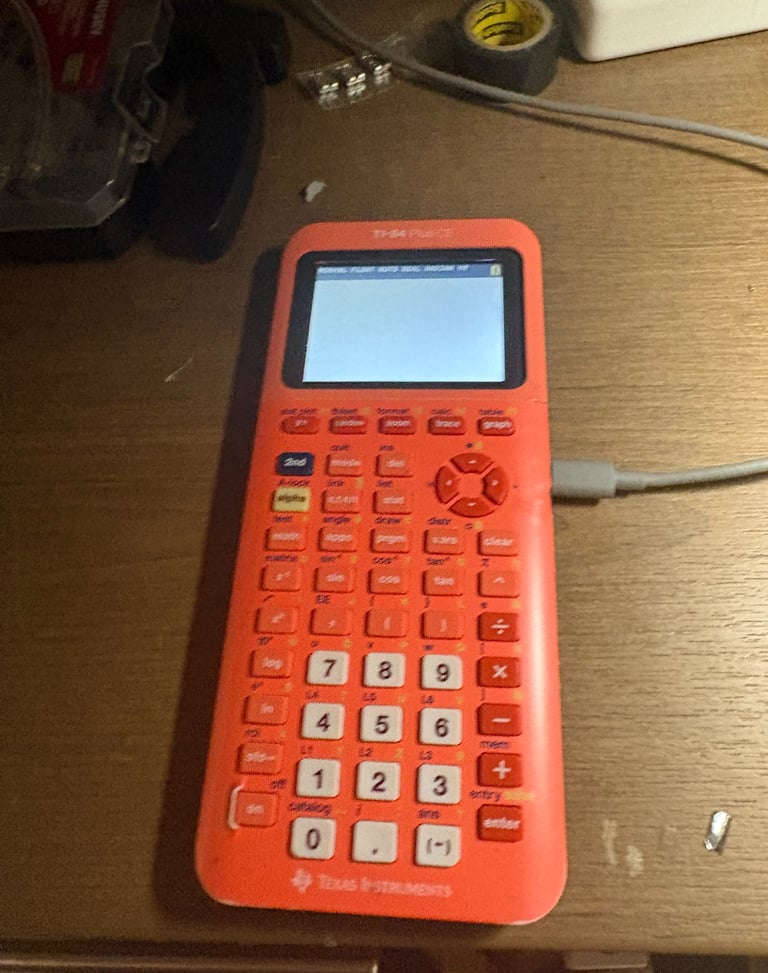
Results
The modification worked! Now I can charge my calculator with the same charger I use for my phone and computer. At my current internship I have been learning about lean, a set of manufacturing principles; this project would fall under "standardize", the idea that you should find the best way to do something and stick to it. I suppose I have picked USB c.